
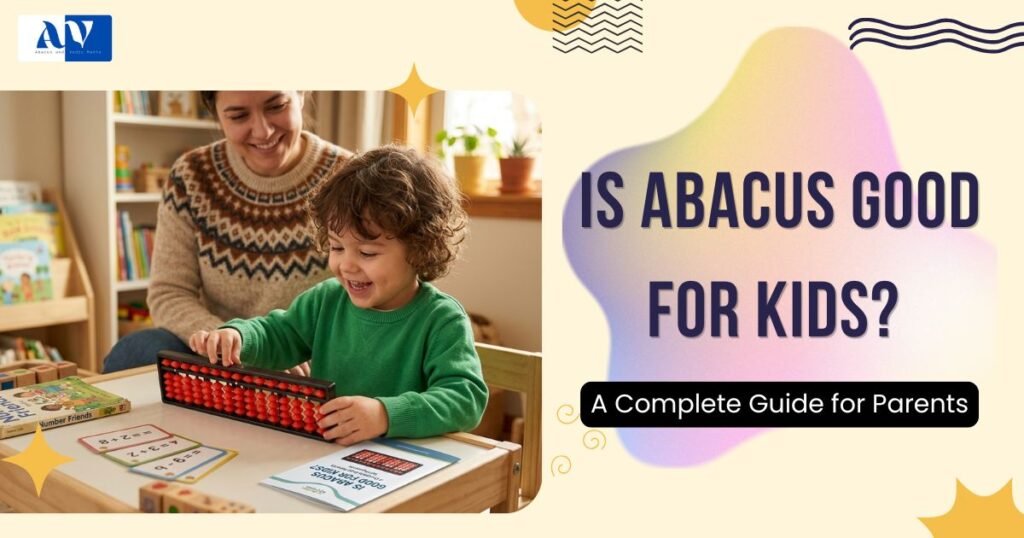
These days, schoolwork moves fast. Parents look for smart ways to help kids learn better. A question pops up often: can using an abacus really help young learners?
Yes, absolutely, even beyond the math classroom! Learning abacus isn’t just about beads on rods. This skill shapes young brains in profound ways. Focus strengthens over time, and self-confidence grows as kids master each step.
One step at a time, this guide explains why online abacus learning is valuable. It shows how the method works in practice. Whether through local abacus classes or online sessions, every choice supports early cognitive development.
Abacus Learning Explained
Older than most number systems, the abacus helped people count long before calculators existed. Today’s teaching methods take it further—faster, sharper, and designed for modern learning.
At first, kids move beads on a real abacus to solve sums. Gradually, they visualize the tool in their mind instead of using their hands. This shift – imagining moves without touching – is called mental math.
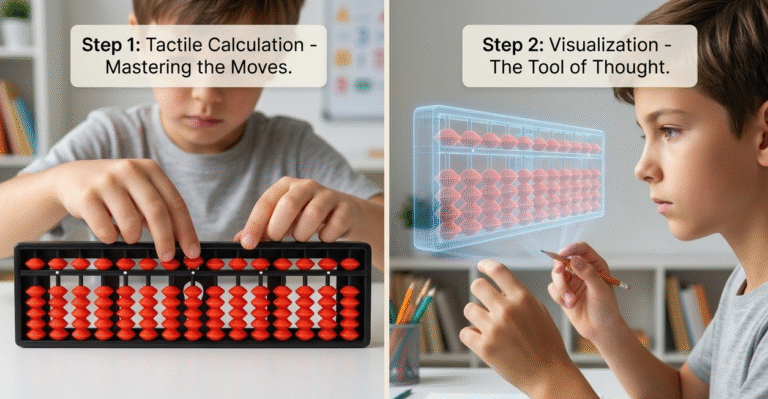
What gives abacus training its edge isn’t the beads, but the ability to think without them. Real change happens when fingers stop moving but the mind keeps counting. While it starts with touch, progress grows through imagination. This mental exercise strengthens neural pathways – not through repetition alone, but by replacing each step with thought.
Abacus Usefulness for Children
Many parents ask, “Is abacus really useful for kids, or just another extra class?”
The change begins where counting begins. Abacus shifts how children think.
- The left brain handles logic and calculations.
- The right brain manages imagination and visualization.
When both hands work simultaneously, abacus learning promotes overall mental growth. Each movement subtly enhances focus and coordination. Over time, the balance between brain hemispheres builds stronger thought patterns.
Children who learn abacus often show improvements in:
- Academic performance
- Memory retention
- Problem-solving skills
- Focus and attention span
The abacus isn’t just helpful – few tools develop young minds as effectively. Its value lies in how it shapes thinking, bit by bit.
Abacus Helps Children Learn Math Skills
Math skills improve remarkably with abacus training. Children work through sums faster, with fewer mistakes. Speed builds accuracy, and correct results appear more consistently. Efficiency grows without sacrificing careful thinking.
Visualization strengthens memory. Kids learn to picture numbers clearly in their minds, aiding recall. Focus improves naturally as distractions fade, while logic and problem-solving sharpen through regular practice.
Trial and error encourages self-confidence. Figuring things out independently helps children trust themselves, boosting academic resilience over time.
Understanding Abacus Levels
Abacus training moves beyond counting. Numbers become mental images, making calculations easier. Gradually, sums feel less like work, and confidence grows with each step.
Programs typically include:
- Beginner Level
- Basic Arithmetic Level
- Intermediate Levels
- Advanced Mental Math Levels
Structured lessons help children grasp fundamentals before progressing to tougher challenges. At AV, Abacus and Vedic Maths Online Academy in Mumbai, teaching adapts to each child’s pace, making learning stress-free and effective.
Abacus Classes Nearby vs Online Options
Parents often search for “abacus classes near me”. Both offline and online options have benefits.
Offline Abacus Classes:
- Face-to-face interaction
- Classroom environment
- Group learning experience
Online Abacus Classes:
- Flexible schedules
- Access to expert trainers anywhere
- Safe, convenient, and focused learning
Virtual abacus lessons deliver results comparable to in-person classes, while saving travel time. Kids learn in a familiar, calm environment, improving attention and engagement.
Abacus Supports Brain Growth
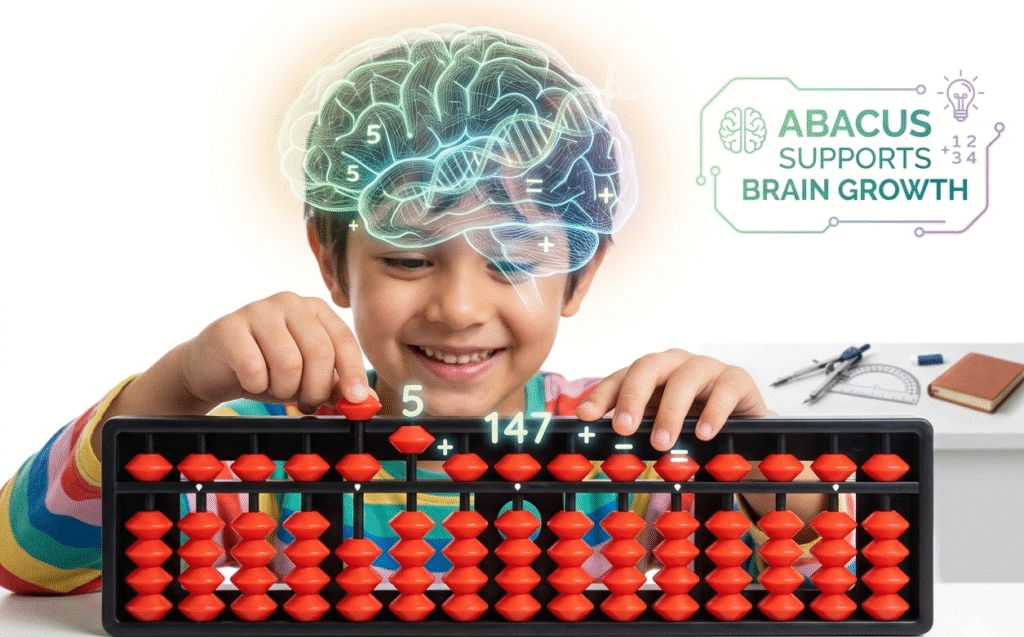
Using an abacus exercises a child’s mind. Benefits include:
- Enhanced visualization and mental calculation
- Improved focus and attention span
- Stronger memory retention
- Faster cognitive processing
Regular practice extends beyond math. Abacus learners often show progress in science, arts, and creative problem-solving. Small routines, like counting beads, build broad cognitive patterns that quietly enhance overall learning.
When Children Should Begin Abacus Learning
Parents ask, “When is the best age to start abacus classes?”
Most children thrive between ages 5 and 14, when brains are most receptive. Early training helps children grasp concepts faster, build mental math skills, and strengthen long-term cognitive abilities.
AV Abacus and Vedic Maths Online Academy, Mumbai
A good school focuses on skilled instructors who provide clear, practical guidance. At AV Academy, each child progresses through structured stages. Lessons adapt to individual learning rhythms, making progress smooth and stress-free.
- Fun and interactive teaching keeps minds alert
- Learning is paced naturally for better retention
- Individualized support ensures each child meets milestones
Abacus and Vedic Maths Together
Many families combine abacus with Vedic Maths.
- Abacus strengthens visualization and mental calculation
- Vedic Maths provides shortcuts for quicker problem-solving
Together, they:
- Improve speed and accuracy in solving sums
- Reduce time needed for complex calculations
- Make math engaging and less stressful
- Build logical thinking for tackling challenging problems
This combination creates a comprehensive math foundation for children.
Abacus Misconceptions
- Myth 1: Abacus is only for slow learners
Truth: Abacus benefits all children, from beginners to advanced students, sharpening focus and mental agility. - Myth 2: Abacus only improves math skills
Truth: Abacus enhances overall brain development, improving memory, concentration, and logical thinking across subjects. - Myth 3: Online classes are less effective
Truth: Structured virtual abacus lessons can be as effective as classroom sessions. Clear guidance and interactive methods ensure progress regardless of location.
Is Abacus Good for Kids? Final Verdict
Abacus learning not only improves counting but strengthens thinking skills. Hands moving beads help children link numbers and patterns, building focus, memory, and confidence.
Whether through step-by-step in-person training or web-based sessions with AV, Abacus and Vedic Maths Academy Online, growth is steady and lasting.
Abacus remains one of the few tools that quietly sharpen young minds, improving math skills while boosting broader cognitive development.
Build Confidence and Math Skills Through Abacus and Vedic Maths
Supporting your child’s mental growth early creates lifelong benefits.
- Learning through beads builds understanding and concentration
- Regular practice strengthens confidence and problem-solving
- Focus improves without stress, and learning becomes enjoyable
- Small, consistent actions create meaningful cognitive gains
Starting with abacus classes for kids is a wise investment in sharper thinking, academic growth, and long-term mental skills.