
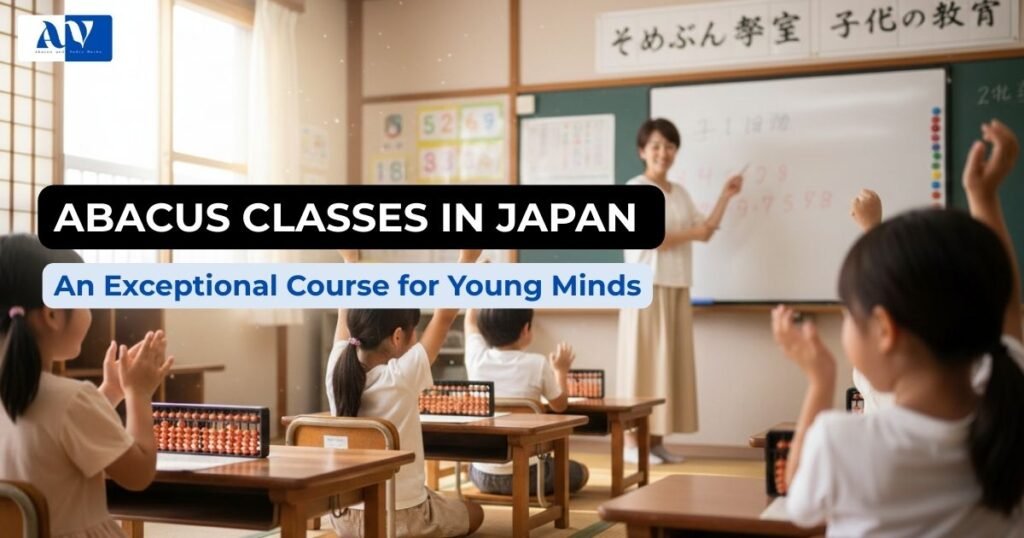
It is remarkable how an ancient tool continues to hold its place in a high-tech world. The soroban remains present in Japanese schools, even as screens fill classrooms. Not because it is nostalgic—but because it delivers results. Children sharpen their thinking by moving beads, one calculation at a time, through a structured abacus course online and through engaging online abacus classes.
Imagine stepping into a classroom where tiny beads click beneath children’s fingers, minds working faster than calculators. Tokyo hums with quiet concentration, desks lined with wooden frames that have outlived digital trends. In Osaka, tradition blends with lively energy, turning arithmetic into something dynamic. Nagoya values precision, with routines that are structured yet flexible. Kyoto moves calmly and deliberately, connecting numbers with centuries-old discipline. In Sapporo, steady rhythm proves that even cold winters nurture sharp thinking. These cities do not boast about success—they simply continue counting. Each follows its own path, yet they meet at the same truth: old tools can train new minds.
What Makes Abacus Education in Japan Special?
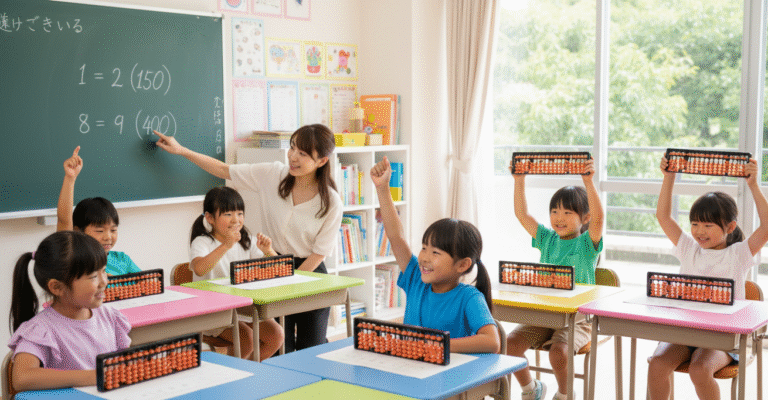
In Japan, working with the abacus fits naturally into both education and culture, especially through a structured abacus course for kids and accessible abacus classes online. Although machines calculate faster, sliding beads keeps young minds active through touch, movement, and focused thought. Students using the soroban do more than shift counters—they begin to recognise patterns, strengthen mental math ability, and build deeper concentration through a carefully designed abacus course.
Slow shifts show up when kids keep at their lessons week after week. Numbers start making sense instead of causing stress, while tackling problems grows steadier thanks to daily mental math training. Over time, clear thinking takes root—helped by patient coaching and repeated effort—and these patterns lift schoolwork far beyond just math class.
For families seeking structured support, “Abacus And Vedic Maths” offers engaging abacus courses online that combine guided instruction with consistent practice. Each session follows a clear learning path, helping children strengthen mental calculation, focus, and confidence step by step, whether learning from home or in a classroom setting.
Tokyo — Japan’s Abacus Hub of Innovation
Life in Tokyo balances speed with tradition. Many families continue to value the soroban as a tool for sharpening young minds. It is not simply traditional counting; it is considered mental exercise that strengthens academic performance. In some classrooms, wooden beads remain central, while tablets support guided practice. Learning moves naturally between fingers sliding across rods and minds visualizing numbers.
Benefits in Tokyo
- Early Academic Advantage: Many children begin abacus classes before formal arithmetic starts in school.
- Stronger Memory: Regular soroban practice improves recall and classroom focus.
- Daily Drills Build Results: Consistent repetition sharpens concentration and builds mental strength over time.
- Challenges Encourage Commitment: National contests and set goals motivate steady preparation.
- Gradual Progress: Growth appears quietly through consistent effort rather than sudden leaps.
- Repetition Builds Success: Academic improvement develops through disciplined after-school practice.
Osaka — A Renewed Surge in Abacus Learning
Osaka has seen renewed interest in abacus education, echoing the strong post-war tradition. More children enroll in an Online Abacus course for kids as parents seek balance between traditional methods and modern schooling. Starting young helps build sharp mathematical ability, along with confidence and focus. In Osaka, learning extends beyond numbers — it grows through routine, patience, and quiet persistence.
Benefits in Osaka
- Stronger Mathematical Skills: Regular abacus practice makes classroom calculations easier and clearer.
- Preserving Tradition While Building Focus: Lessons sharpen thinking while keeping cultural heritage alive.
- Stronger Peer Bonds: Shared practice and local events foster teamwork and steady progress.
Kyoto — Tradition Meets Mindful Learning
In Kyoto, stillness shapes how numbers are learned. Counting beads carries centuries of quiet discipline. Here, the mind develops alongside mathematics. Repetition builds patience, and focus grows naturally through rhythm rather than pressure. Fingers trace beads daily, training attention without haste.
Respect gradually forms in these classrooms. Routine replaces confusion with order. Numbers are shaped carefully, one movement at a time.
Benefits in Kyoto
- Blending Tradition with Thinking Skills: Abacus training strengthens reasoning while honouring heritage, supported by structured mental math training techniques.
- Deep and Lasting Focus: Concentration developed here benefits every subject.
- Meaningful Learning Through Rhythm: Traditional methods align with modern goals, sharpening young minds step by step.
Yokohama — Blending Modern Education with Soroban Practice
Yokohama combines tradition with technology. Schools teach the soroban while integrating digital aids and modern strategies. Even so, the core remains unchanged—steady focus and repetition, supported by some of the best abacus course options available.
Benefits in Yokohama
- Interactive Digital Integration: Online abacus classes blend touch and technology, where movement and feedback feel seamless.
- Technology That Enhances Engagement: Apps transform calculation into engaging patterns and rhythmic exercises.
- Stronger Problem-Solving Skills: Pattern recognition improves through consistent bead practice.
Starting young with the abacus strengthens children’s confidence in mathematics. Early exposure supports better performance in school subjects that rely on numbers.
Sapporo — Northern City with Strong Abacus Roots
In Sapporo, families increasingly turn to the abacus to sharpen inner calculation skills. Lessons emphasize mental visualization, encouraging students to compute without writing answers down. Strength grows quietly through structured routines.
Benefits in Sapporo
- Faster Mental Math: Students solve problems quickly using visualisation rather than devices.
- Stronger Focus Through Routine: Consistent practice makes concentration natural.
- A Lasting Mental Edge: Improved memory and mental imagery strengthen performance across subjects.
The Lasting Benefits of Abacus Training
Abacus training shapes how children think over time, both in traditional classrooms and through structured online abacus classes. The link between hand movement and mental calculation strengthens memory and attention. Confidence rises as progress becomes visible. Numbers feel less intimidating as patterns replace confusion.
- Mental Math Mastery: Faster math skills grow when kids see numbers clearly and practice them often. Repeating patterns helps lock ideas in place. Seeing problems differently sharpens speed. Practice shapes confidence without pressure building up. Clear images of sums stick longer than rules alone.
- More Concentration and Focus: Bead-by-bead practice builds deep attention that carries into everyday learning.
- Cognitive Development: Engaging multiple areas of the brain strengthens memory and clarity.
- Confidence and Academic Progress. A single step forward can quietly plant deep trust. This trust pushes learners toward tougher tasks without force.
- Discipline and Lifelong Learning. Daily practice builds patience, resilience, and steady effort—skills that extend beyond mathematics.
Why Japan’s Abacus Courses Stand Out
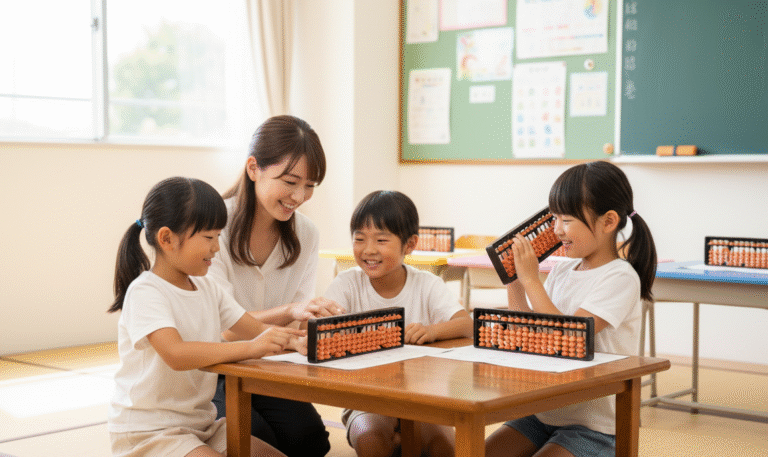
In Japan, counting beads is never just about arithmetic. Tokyo balances pace with precision, Kyoto nurtures calm repetition, Osaka revives tradition, Yokohama blends screens with wood frames, and Sapporo strengthens inner calculation. Alongside classroom programs, online abacus course options and online abacus training continue expanding access beyond physical spaces.
Not every child advances at the same speed, yet most develop sharper focus and steady confidence. What begins as simple finger movement often becomes lasting self-belief. Apart from its age, the soroban sticks around—growing focus by steady movement and repeated practice, along with physical engagement, especially when screens dominate.
Little minds grow sharp here. “Abacus And Vedic Maths” Abacus The online course runs across Japan and is built for families wanting clear routines plus real involvement. Sessions guide kids through number work that builds inner focus and quicker thinking, one step at a time. Teachers bring years of experience, showing each move clearly. Practice sticks when it happens often, so habits form easily. Kids gain speed and trust in their own answers. Learning fits home or classroom settings just the same. Online help keeps support steady even from far away.